Introduction: Turn the Night On, Not Just the Lights
You can change how people feel about a street with one bold move. A sky laser can turn a quiet block into a guided experience in minutes. City reports show that animated facades can increase foot traffic by double digits, and event dwell time often rises by 20–30% on activation nights. Picture a plaza where moving beams sync with music, logos glide across glass, and the skyline itself becomes the stage—then ask: why are we still using yesterday’s tools for today’s crowds? The answer lives in precision and control, not brute brightness or more fixtures (that’s the trap).
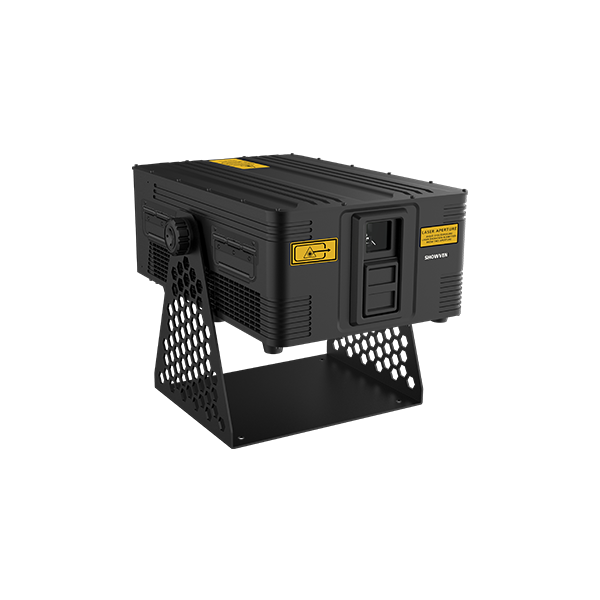
Here’s the deal. Performance comes from how the system steers light, manages power, and protects uptime—think beam divergence, smart thermal management, and reliable power converters. When those work together, your creative plan stops feeling like a gamble and starts feeling like a playbook. Ready to shift from “lights on” to “experience on”? Let’s move into what’s really holding buildings back—so we can fix it fast.
The Problem Under the Glow: Why Old Methods Break at Scale
When you compare legacy floodlights to a targeted laser light for building, you see the gap right away. Floods spray lumens everywhere, but they lack crisp control on glass, stone, or steel. Edge mapping falls apart at distance because beam spread keeps growing, and color punch fades in urban haze. Worse, complex chases over DMX protocol can turn laggy once you scale across rooftops and long runs—funny how that works, right? Look, it’s simpler than you think: you need tight beams, fast steering, and a brain that keeps sync, even across a busy site.
The hidden friction shows up in operations. Old rigs need constant aiming, lift rentals, and manual resets after storms. IP ratings are mixed, so uptime drops whenever weather hits. Without good thermal management, drivers and power converters drift, colors shift, and you burn hours on “why is zone C flickering?” Support teams fight beam divergence and wind sway instead of delivering clean art. That’s the real cost. Modern sky-oriented systems use galvanometer scanners for precise draw, sealed IP65 housings for grit and rain, and safety interlocks that keep crews confident. You reduce fixtures, reduce guesswork, and get a canvas that behaves like software.
What’s the real bottleneck?
It’s not brightness. It’s control at distance, stability over nights and seasons, and the ability to reprogram without re-aiming. Once you solve those, the skyline starts taking orders.
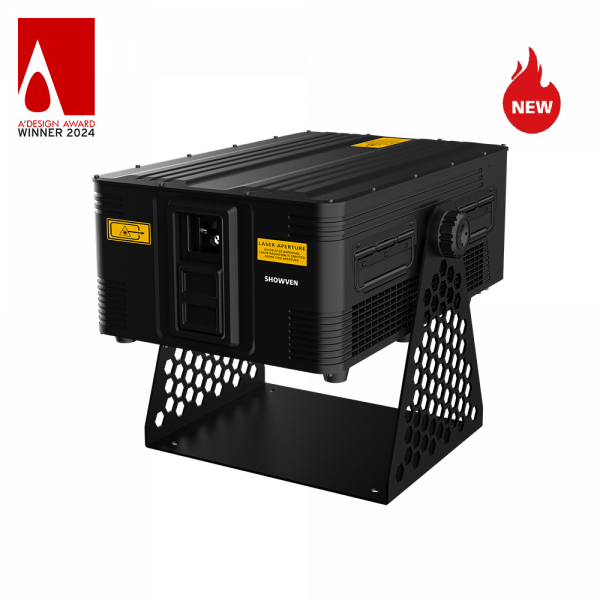
Forward Look: Principles That Make the Skyline Programmable
Here’s where it turns from upgrade to rethink. New laser engines pair tight optics with fast galvanometer scanners, so lines, logos, and patterns render with plotter-like accuracy—even across long throws. Add distributed control—small edge computing nodes that sit closer to fixtures—and DMX or Art-Net timing jitter drops. The result is fluid motion, not stutter. Bring in closed-loop temperature sensing, and your duty cycle stays steady through winter wind or summer heat. In practice, a well-tuned unit like a 60w laser light can replace clusters of floods while drawing paths the human eye reads as intentional, not accidental. Different game, new rules.
Real sites prove it. A waterfront facade swapped dozens of static bars for a compact laser array and cut maintenance hours by half—because fewer mounts, fewer aiming sessions, fewer water ingress issues. Another venue used dynamic aerials to guide crowds toward exits after shows—subtle, clean, safe. And yes, the skyline composition stayed crisp on misty nights—because beam quality matters more than raw wattage. The creative team learned fast: design the path, not the pool. From there, iteration is software: tweak scenes, schedule shows, and push content overnight—no lifts, no rewiring. That’s the shift—and that’s the payoff.
What’s Next
Expect tighter safety zones, smarter zoning by floor, and hybrid shows that merge building lines with sky cues for true 3D storytelling. Short sentence. Big change.
How to Choose: Three Checks That Keep You Honest
Advisory mode—practical and quick. 1) Control fidelity: test beam divergence at your actual throw distance, and watch line stability during wind; look for galvanometer scanners that hold shape under motion. 2) Uptime stack: check IP65 sealing, thermal management strategy, and safety interlocks; ask for logs that flag overheat, fan status, and power events. 3) Integration depth: verify smooth DMX/Art-Net sync, on-site edge nodes for low latency, and clean power converters that won’t trip your panels—because clean power keeps color steady. Do those three, and the rest falls into place—funny how that works, right?
Bottom line. Don’t chase brightness. Chase control, reliability, and speed of change. That’s how a sky-first fixture turns your facade into a living system, not a static cost center—and that’s the pivot. For more tools that fit this thinking, see Showven Laser.