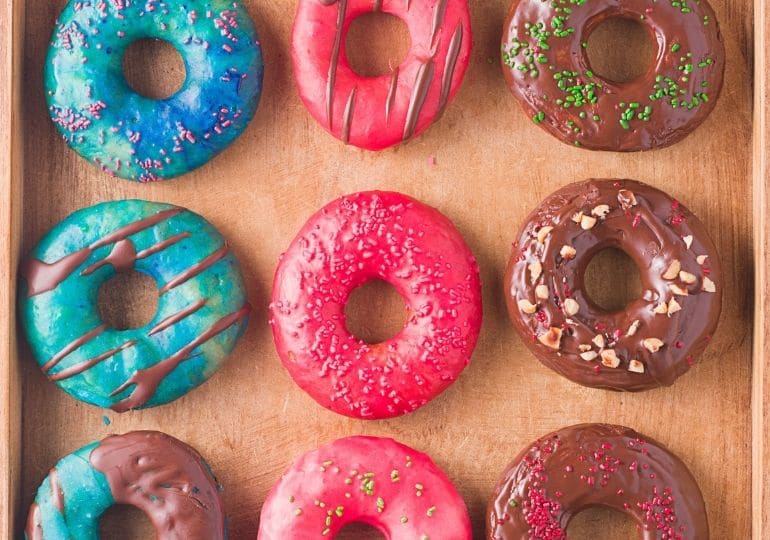
The story of the donut is one that spans centuries, continents, and countless variations of flavor and form. What began as a humble JURAGAN88 fried dough treat has evolved into an iconic symbol of indulgence and creativity. Though its exact origins are still debated, most historians trace the roots of the donut back to early European settlers who brought recipes for fried dough pastries to America. These early versions were simple—small pieces of dough fried in oil and sprinkled with sugar. Over time, the recipe adapted to local tastes and ingredients, eventually becoming the circular, hole-in-the-middle delight we know today.
In the mid-19th century, a New England sailor named Hanson Gregory is often credited with inventing the modern ring-shaped donut. Legend has it that he was frustrated with the undercooked centers of traditional fried dough and decided to punch a hole in the middle for even cooking. Whether true or not, his supposed innovation gave birth to the signature donut shape that remains instantly recognizable. As the 20th century dawned, donuts became a staple in American bakeries and households, especially with the advent of industrial frying equipment that made them easier to produce in bulk. By the 1930s, donut shops were popping up across the United States, cementing their place in the country’s culinary culture.
World War II played an unexpected role in boosting the popularity of donuts. During the war, “Donut Dollies” — female volunteers from the Red Cross — served freshly made donuts to American soldiers as a taste of home. When the soldiers returned, they brought with them fond memories of the sweet, comforting treat, fueling the postwar donut boom. This era also saw the rise of iconic brands like Dunkin’ (founded in 1950) and Krispy Kreme (founded in 1937), which revolutionized donut-making with efficient production methods and signature recipes. Donuts became synonymous with comfort, community, and that quintessential American coffee break.
In the later decades of the 20th century, donuts began to evolve beyond their simple glazed and powdered sugar origins. Bakeries started experimenting with flavors, fillings, and toppings, transforming the donut from a breakfast staple into a gourmet indulgence. The 2000s and 2010s marked a golden era for the “artisanal donut.” Local bakeries across the United States began crafting small-batch, hand-decorated donuts using high-quality ingredients. Flavors like maple bacon, matcha green tea, and crème brûlée appeared on menus, catering to a new generation of food lovers who valued creativity and quality over mass production.
Today, donuts occupy a unique space in both pop culture and the culinary world. They are no longer just an affordable morning pastry but also a medium for artistic expression. Social media platforms like Instagram and TikTok have helped fuel the craze, showcasing dazzling designs, vibrant colors, and innovative flavor combinations. In cities like Los Angeles, New York, and Chicago, donut shops have become tourist destinations in their own right, attracting lines of customers eager to snap a photo of their picture-perfect treat. Meanwhile, major coffee chains continue to keep classic donuts accessible to everyone, ensuring the treat’s enduring popularity.
From their modest beginnings as fried dough morsels to the modern gourmet creations that now grace bakery windows, donuts have come a long way. Their journey mirrors broader cultural trends — innovation, nostalgia, and a shared love for sweetness. Whether it’s a simple glazed ring paired with a morning coffee or a decadent chocolate-filled masterpiece, the donut remains one of the most beloved comfort foods in the world. Its evolution proves that even the simplest pleasures can stand the test of time, adapting and reinventing themselves while staying true to their delicious roots.
Would you like me to write two more unique long articles (6-paragraphs each) on different donut-related titles from your list?